
New York City Metro, NY
Shift Scheduling Software for University Student Service Centers in New York
Shift scheduling software helps teams set reliable staffing frames before the day starts.
In New York, teams in university student service centers rely on this when coverage pressure appears faster than the day plan updates.
Unlike intraday scheduling software, shift scheduling defines working hours and coverage blocks before the day begins.
No credit card required. Setup in under 30 minutes.
Live control scenario in New York
Unexpected but practical: run one pressure-window drill every day.
Window: 15:00-16:30
What usually happens
- 15:00: Complex cases pulling advisors while walk-ins continue.
- 15:00+: Early signal appears: coverage gaps appear first around break and handoff windows.
- 16:30: Risk if unmanaged: student wait times grow quickly when one advisor is pulled into complex cases.
What to do in minutes
- Check handoff clarity between advising and transactional support every 15 minutes during this window.
- Apply this feature move first: Soon helps teams in university student service centers keep shift coverage intact by surfacing drift as it appears.
- Before 16:30, lock clear role ownership and rebalance coverage.
Scheduling challenges for University Student Service Centers
Schedules tend to look fine in the morning.
Then the day starts:
-
 Breaks suddenly overlap
-
 Work piles up unexpectedly
-
 Someone steps away
-
 Coverage quietly shifts
Soon helps university service teams across New York City Metro stay covered through advising peaks, enrollment surges, and lunch-break overlap.
Imagine a morning in New York City Metro. In student centers around New York City Metro, workload shifts by hour and by day. When one advisor is pulled into an urgent issue, the whole desk can feel it. Soon keeps staffing and activity visible in real time so teams can adapt without confusion. When this moment is visible, teams can correct drift before service quality drops.
Soon understands student service centers, because we help teams that live through class-change surges every day. In New York City Metro, what looks manageable at 9:00 can become overloaded by 10:15 when advising traffic and admin requests stack up.
When one advisor is pulled into a complex case, the desk balance shifts immediately. Soon makes those shifts visible so teams can adjust coverage without confusion and keep student support responsive.
In New York City Metro, teams often see coverage gaps appear first around break and handoff windows. The common failure mode is that student wait times grow quickly when one advisor is pulled into complex cases. Soon keeps handoff clarity between advising and transactional support visible so teams can adjust before pressure compounds.
Olaf, Co-founder & CEO
Pricing that doesn’t change when things go well
A single, predictable price for intraday scheduling.
$99 per month
No contracts.
No hidden limits.
No awkward conversations later.
Shift Scheduling Software for teams in university student service centers
Teams in New York City Metro often see shift coverage gaps appear during execution, not during planning.
Soon helps teams in university student service centers keep shift coverage intact by surfacing drift as it appears.
That means:
-
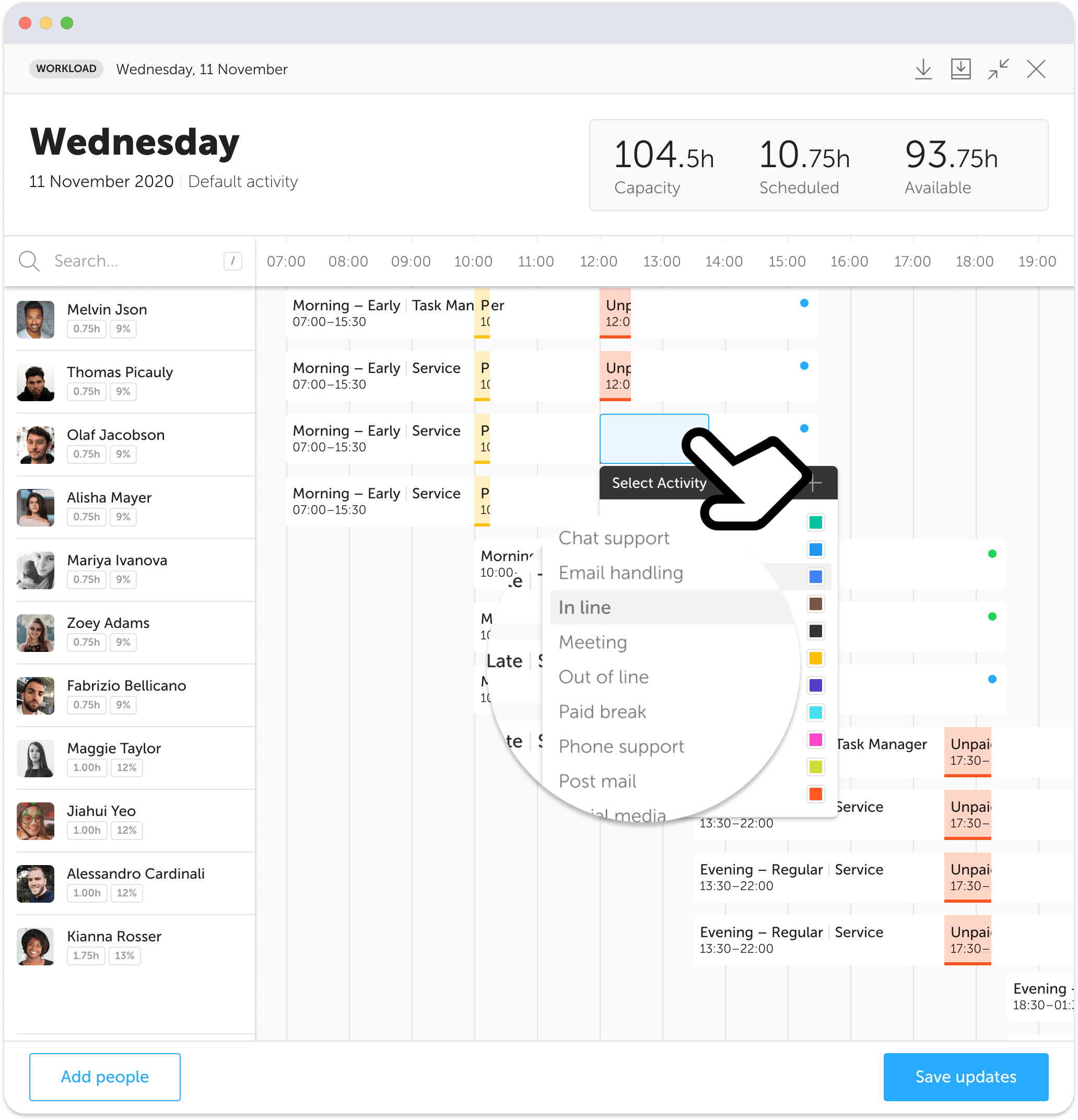
 Seeing who is actively working on what
-
 Adjusting work when the day changes
-
 Keeping coverage intact as people step away
No forecasting months ahead.
No complex workforce planning.
No credit card required. Setup in under 30 minutes.
What changes in the first weeks
The biggest gain is protecting schedule integrity when real demand diverges from plan. Example: in New York, a lead starts the shift window by monitor handoff clarity between advising and transactional support to catch uncovered roles before opening-hour pressure builds.
- Reduced queue volatility during break overlap and peaks
- Clearer handoffs between frontline and back-office tasks
- Cleaner handoffs between advising and transactional support
- More predictable advising desk flow during class-transition peaks
Designed for campus teams that need clearer advisor allocation under live queue pressure. Class-change pressure is easier to absorb when shift coverage starts from realistic assumptions. Operational calm usually comes from earlier decisions, not larger systems.
Shift Scheduling Software use cases for University Student Service Centers
Common scheduling scenarios teams in New York City Metro use Soon for:
- Morning, evening, and overnight shifts
- Shift handovers
- Multi-team coverage management
- Rebalancing admin and student-facing workload in one window
Soon shift scheduling software is a strong fit for teams in university student service centers working in student-facing desks balancing advising traffic, enrollment support, and admin follow-ups. Typical pressure shows up as class-change surges and registration spikes hitting in short windows. Soon helps student service teams absorb class-change demand without losing desk continuity. This is especially relevant when teams face desk ownership confusion when advisors are reallocated mid-hour.
See pricing, get implementation support in the Help Center, or read operational guides on the blog.
Supporting University Student Service Centers across New York City Metro, NY
In New York City Metro, local operations typically involve multi-site teams handling uneven inbound demand across the day. Teams often see coverage gaps appear first around break and handoff windows. This means service demand tends to cluster into short high-pressure windows; frontline teams need one live source of truth to coordinate quickly.
University student service centers in New York City Metro operate in high-demand, resident-facing environments where front-desk continuity, phone responsiveness, and maintenance coordination all compete for attention.
Who uses Soon
Built for teams that run daily service windows and cannot afford coverage blind spots.
- University student service centers
- Property management organizations
- Resident services teams
- Maintenance and operations teams
Why university student service centers teams outgrow Microsoft scheduling tools
Soon fits naturally alongside Microsoft Teams and Outlook, while adding live coverage control once the day starts moving.
It adds clarity where other tools stop.
A clearer daily control room
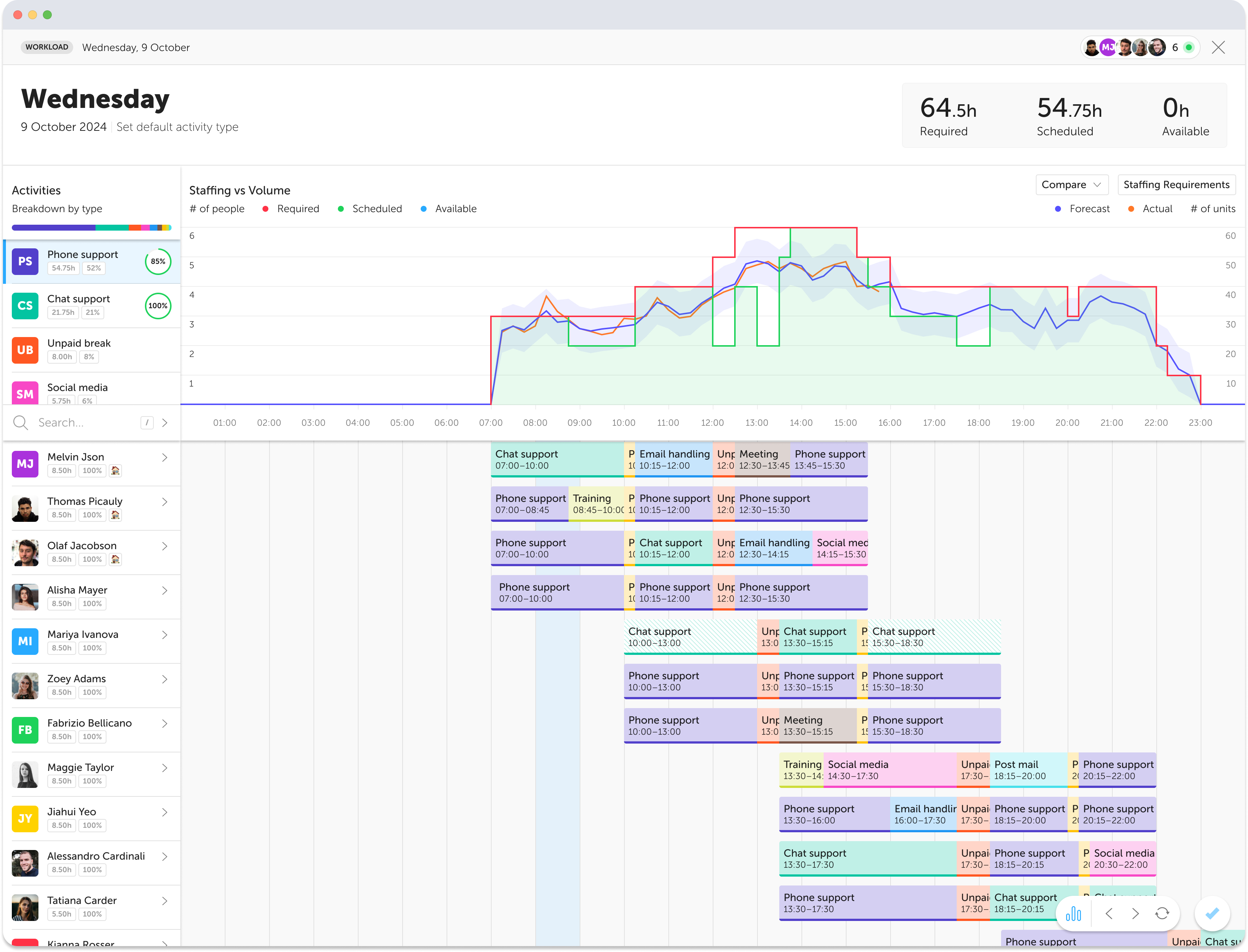
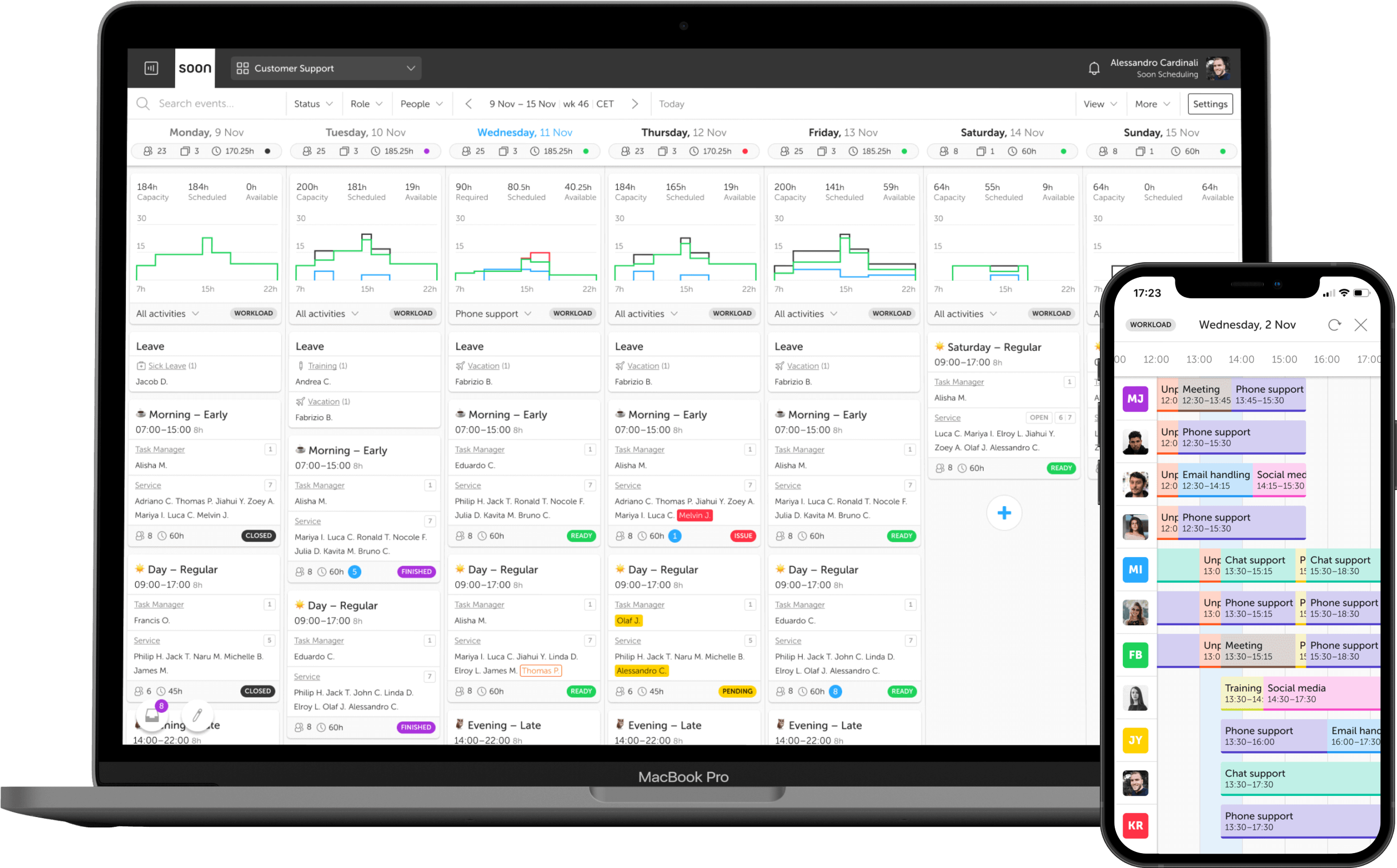
Soon acts like a control room for teams in New York City Metro, showing the current state of work and staffing at a glance.
- Activities and ownership
- Available capacity by person
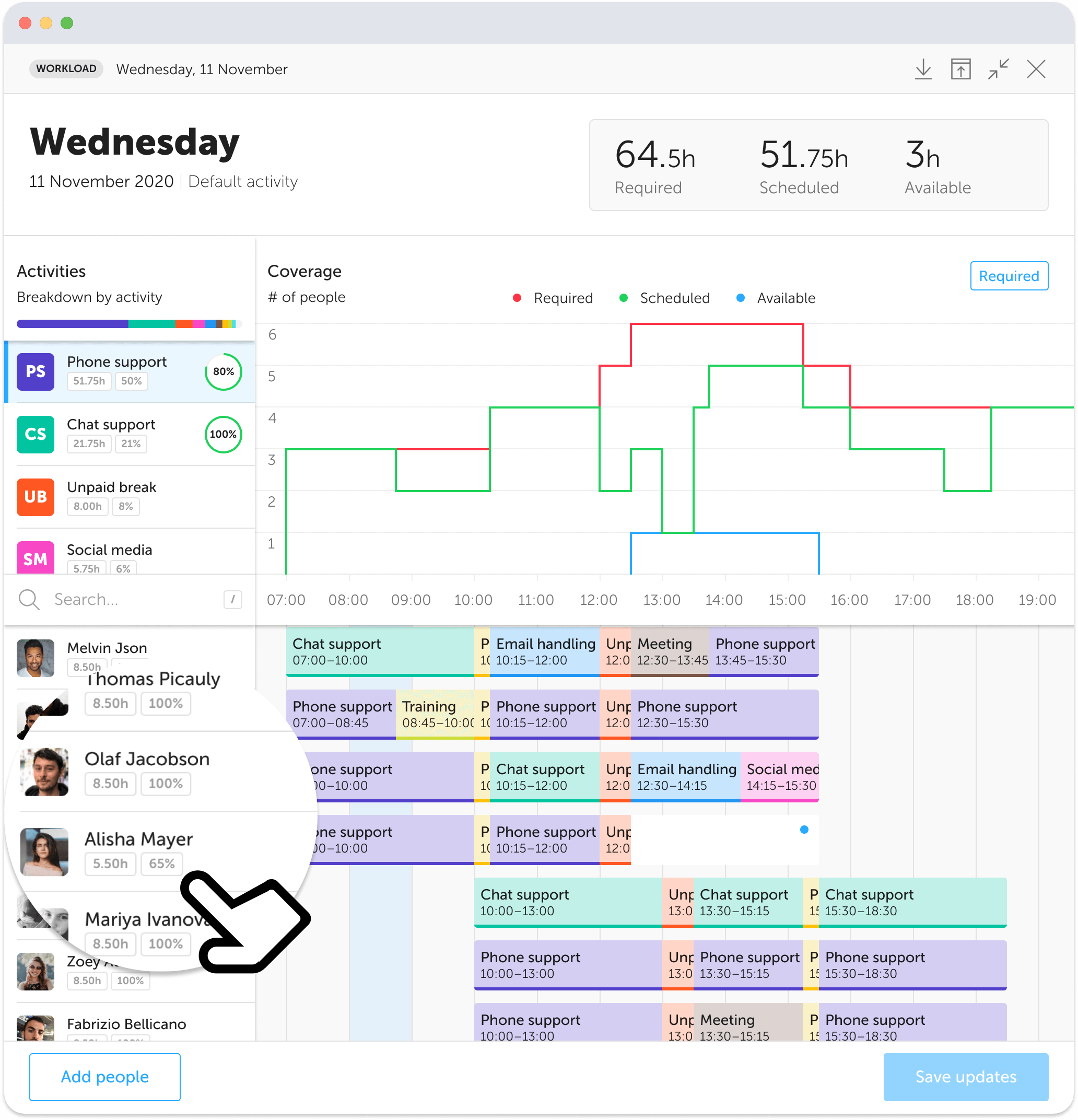
- Coverage health across the day
Simple to read. Easy to act on.
How shift scheduling software adapts when the day shifts
Soon helps teams react while service is still stable, not after queues and stress start to build.
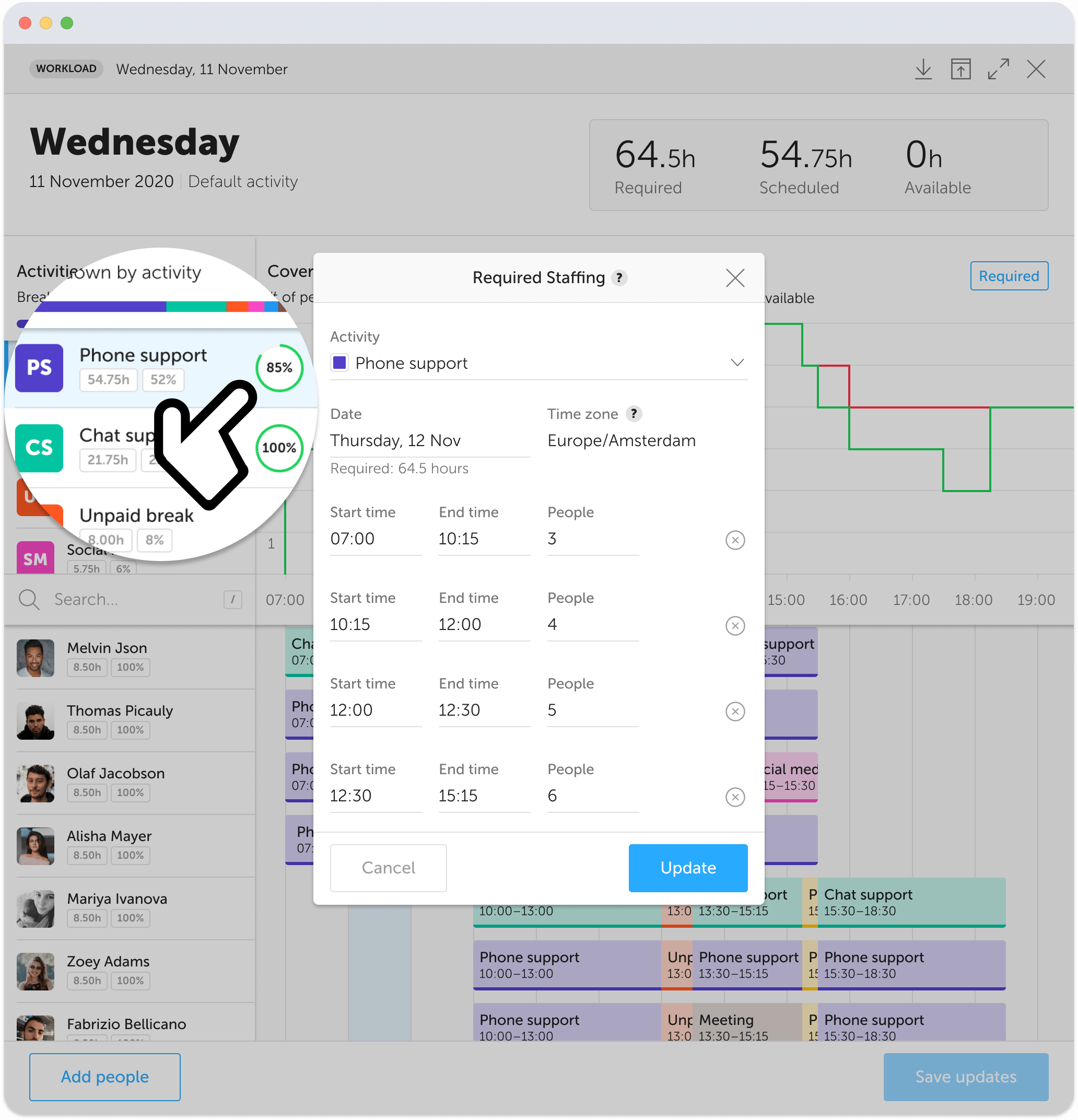
- Adjust based on live conditions
- Shift resources to pressure points
- Keep critical windows covered
Fewer fire drills. Better rhythm.
Collaboration without micromanagement
Teams in New York City Metro can coordinate faster when coverage decisions are transparent and shared.
- Fewer status pings and side messages
- More confidence in who covers what
- Cleaner transitions between tasks
Control stays high, overhead stays low.
Balance workload before frustration builds
Soon helps teams in New York City Metro spread work more evenly during live operations.
- Spot overload patterns quickly
- Redirect effort where pressure is rising
- Keep productivity realistic across the team
Fairer days, steadier output.
Stay steady through the busiest windows
Demand does not rise evenly. Soon makes pressure visible early so teams can absorb it smoothly.
- Watch pressure by time window
- Move coverage to high-demand periods
- Protect response times under load
Busy does not have to mean chaotic.
Why shift scheduling software needs live intraday visibility
Planning is necessary, but live service in New York City Metro requires a current view of availability and coverage.
- What was planned
- What is actually happening now
- What needs to change next
Soon connects those three layers in one workflow.
Everything needed for intraday execution
Teams in New York City Metro get the tools to run live coverage without moving into heavy workforce-management systems.
- Clear task and staffing visibility
- Fast changes when conditions shift
- Data portability and integration options
Built for focus, not overhead.
More about shift scheduling software
Shift Scheduling Software for real-time team coverage
Soon provides shift scheduling software for university student service centers teams in New York City Metro, NY.
Intraday scheduling software bridges the gap between planning and real-time execution. It helps teams move from static schedules to live coverage management.
With Soon, teams can see current workload, active assignments, break status, and available capacity in one place, then act quickly when priorities shift.
This is especially useful for university student service centers in New York City Metro, where customer-facing service windows demand reliable staffing and fast adjustment.
The result is fewer interruptions, better visibility, and calmer operations without adopting heavyweight workforce planning systems.
$99/month. That's it.
Try Soon with your team.
No credit card required. Setup in under 30 minutes.
Next step options