
Washington DC Metro, DC
Shift Scheduling Software for Utilities Customer Service Offices in Washington DC
Shift scheduling software keeps role coverage structured across planned service windows.
For teams in utilities customer service offices working in Washington DC, this is critical when staff handovers colliding with urgent customer escalations.
Unlike day-of orchestration, shift scheduling sets baseline staffing structure across service windows.
No credit card required. Setup in under 30 minutes.
Washington DC pressure window: 13:15-14:45
Unexpected but practical: run one pressure-window drill every day.
Window: 13:15-14:45
What usually happens
- 13:15: Staff handovers colliding with urgent customer escalations.
- 13:15+: Early signal appears: coverage can swing quickly when one specialist is pulled into urgent work.
- 14:45: Risk if unmanaged: queues compound quickly when payment window demand meets thin coverage.
What to do in minutes
- Check counter staffing versus billing queue pressure every 15 minutes during this window.
- Apply this feature move first: Soon gives planners and frontline leads one live picture of shift health across the day.
- Before 14:45, lock clear role ownership and rebalance coverage.
Scheduling challenges for Utilities Customer Service Offices
Schedules tend to look fine in the morning.
Then the day starts:
-
 Breaks suddenly overlap
-
 Work piles up unexpectedly
-
 Someone steps away
-
 Coverage quietly shifts
Soon helps utility office teams across Washington DC Metro keep counters covered during payment peaks, issue spikes, and staffing handoffs.
Imagine a morning in Washington DC Metro. In utility offices across Washington DC Metro, some periods are calm, then a burst of urgent requests hits at once. If breaks collide, service quality drops fast. Soon highlights coverage risk in real time so teams can react before queues build. Small misses either compound here or get contained quickly.
Soon understands utility service counters, because we work with teams handling high-stakes billing and service requests daily. In Washington DC Metro, demand often arrives in bursts, and those bursts rarely match the original schedule.
When counters thin out at the wrong time, queues and frustration rise fast. Soon makes intraday coverage pressure visible so teams can move resources early and maintain dependable service.
In Washington DC Metro, teams often see coverage can swing quickly when one specialist is pulled into urgent work. The common failure mode is that queues compound quickly when payment window demand meets thin coverage. Soon keeps counter staffing versus billing queue pressure visible so teams can adjust before pressure compounds.
Olaf, Co-founder & CEO
Pricing that doesn’t change when things go well
A single, predictable price for intraday scheduling.
$99 per month
No contracts.
No hidden limits.
No awkward conversations later.
Shift Scheduling Software for teams in utilities customer service offices
In Washington DC Metro, static shift baselines miss payment peaks colliding with same-hour service escalations, leaving billing counter agents, service-issue specialists, and escalation desk coordinators exposed at opening and handover windows.
Soon aligns shift blocks to payment peaks colliding with same-hour service escalations so billing counter agents, service-issue specialists, and escalation desk coordinators start each window with explicit ownership.
That means:
-
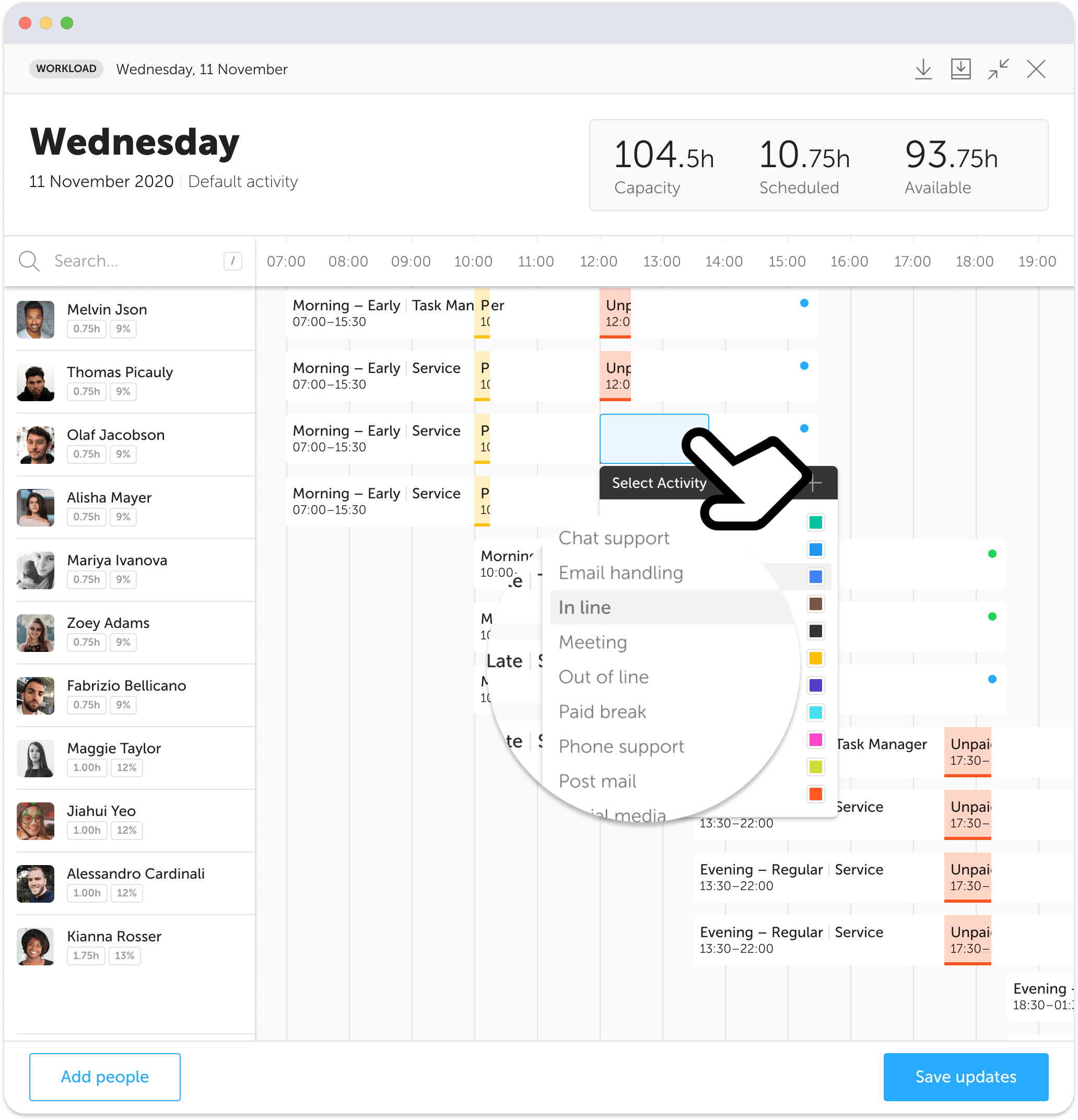
 Seeing who is actively working on what
-
 Adjusting work when the day changes
-
 Keeping coverage intact as people step away
No forecasting months ahead.
No complex workforce planning.
No credit card required. Setup in under 30 minutes.
What operational teams notice first
Most teams start with better clarity and end with fewer service disruptions in daily operations. Example: in Washington DC, a lead starts the shift window by monitor counter staffing versus billing queue pressure to catch uncovered roles before opening-hour pressure builds.
- Clearer service ownership across overlapping counter demand
- More resilient counter throughput during billing-cycle peaks
- Faster manager decisions with less side-channel messaging
- Live staffing visibility across active roles and service windows
Designed for daily execution teams that value clear decisions over scheduling overhead. Teams report fewer start-of-day escalations when shift responsibilities are explicit. Consistency improves when everyone works from one live picture.
Shift Scheduling Software use cases for Utilities Customer Service Offices
Common scheduling scenarios teams in Washington DC Metro use Soon for:
- Morning, evening, and overnight shifts
- Shift handovers
- Multi-team coverage management
- Stabilizing service pace during billing and outage inquiry spikes
Soon shift scheduling software is a strong fit for teams in utilities customer service offices managing billing, service issue, and escalation support counters. Typical pressure shows up as payment peaks colliding with same-hour service escalations. It works best when billing counter agents, service-issue specialists, and escalation desk coordinators share one live coverage view.
See pricing, get implementation support in the Help Center, or read operational guides on the blog.
Supporting Utilities Customer Service Offices across Washington DC Metro, DC
In Washington DC Metro, utility offices face burst demand around payment and outage-related inquiries. Teams monitor billing queue age and unresolved service-case backlog by role. Service stability depends on catching risk before payment-window traffic and issue escalations stack on the same counter team.
Utilities customer service offices in Washington DC Metro operate in high-demand, resident-facing environments where front-desk continuity, phone responsiveness, and maintenance coordination all compete for attention.
Who uses Soon
Built for teams that run daily service windows and cannot afford coverage blind spots.
- Utilities customer service offices
- Property management organizations
- Resident services teams
- Maintenance and operations teams
Why utilities customer service offices teams outgrow Microsoft scheduling tools
Soon fits naturally alongside Microsoft Teams and Outlook, while adding live coverage control once the day starts moving.
It adds clarity where other tools stop.
A clearer daily control room
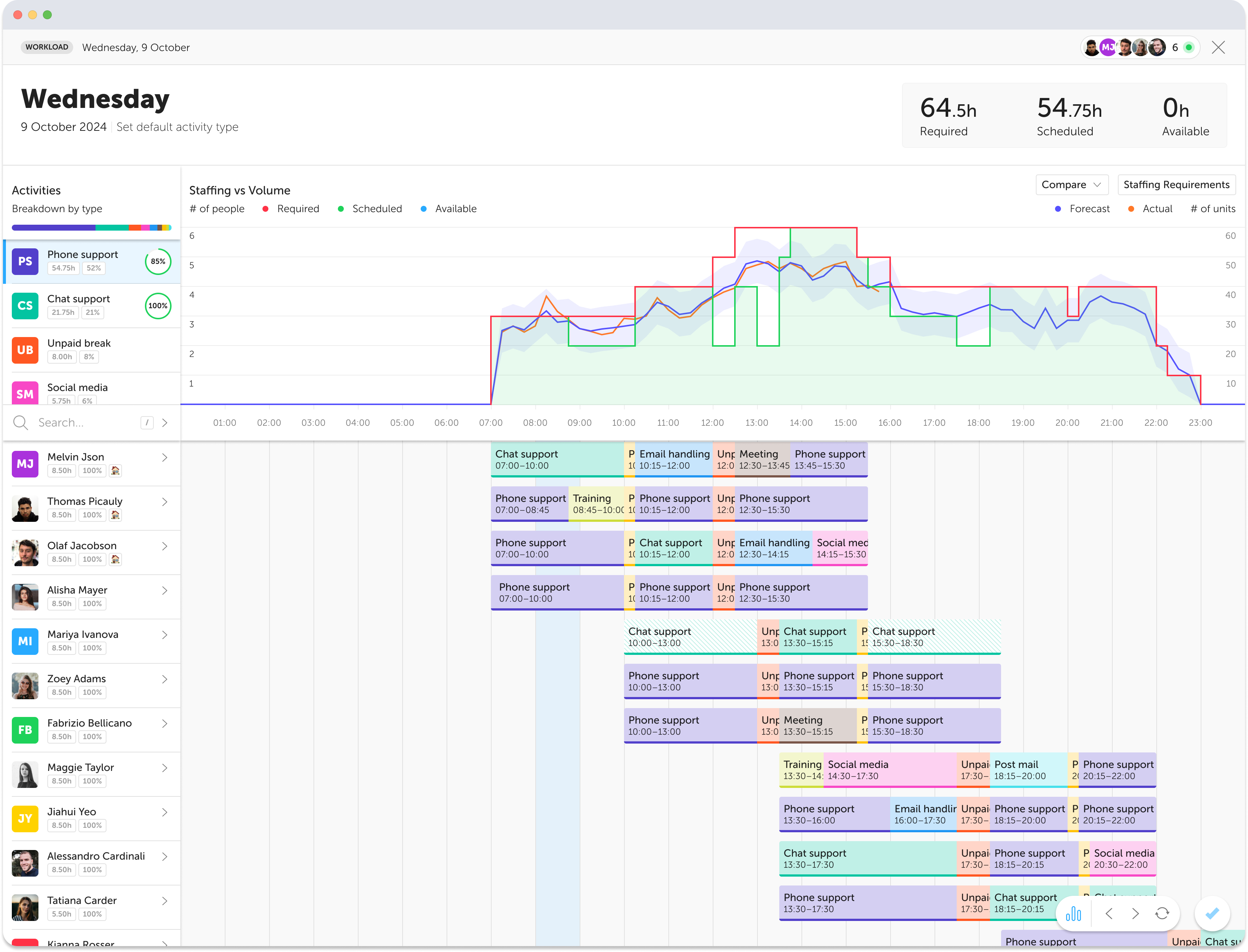
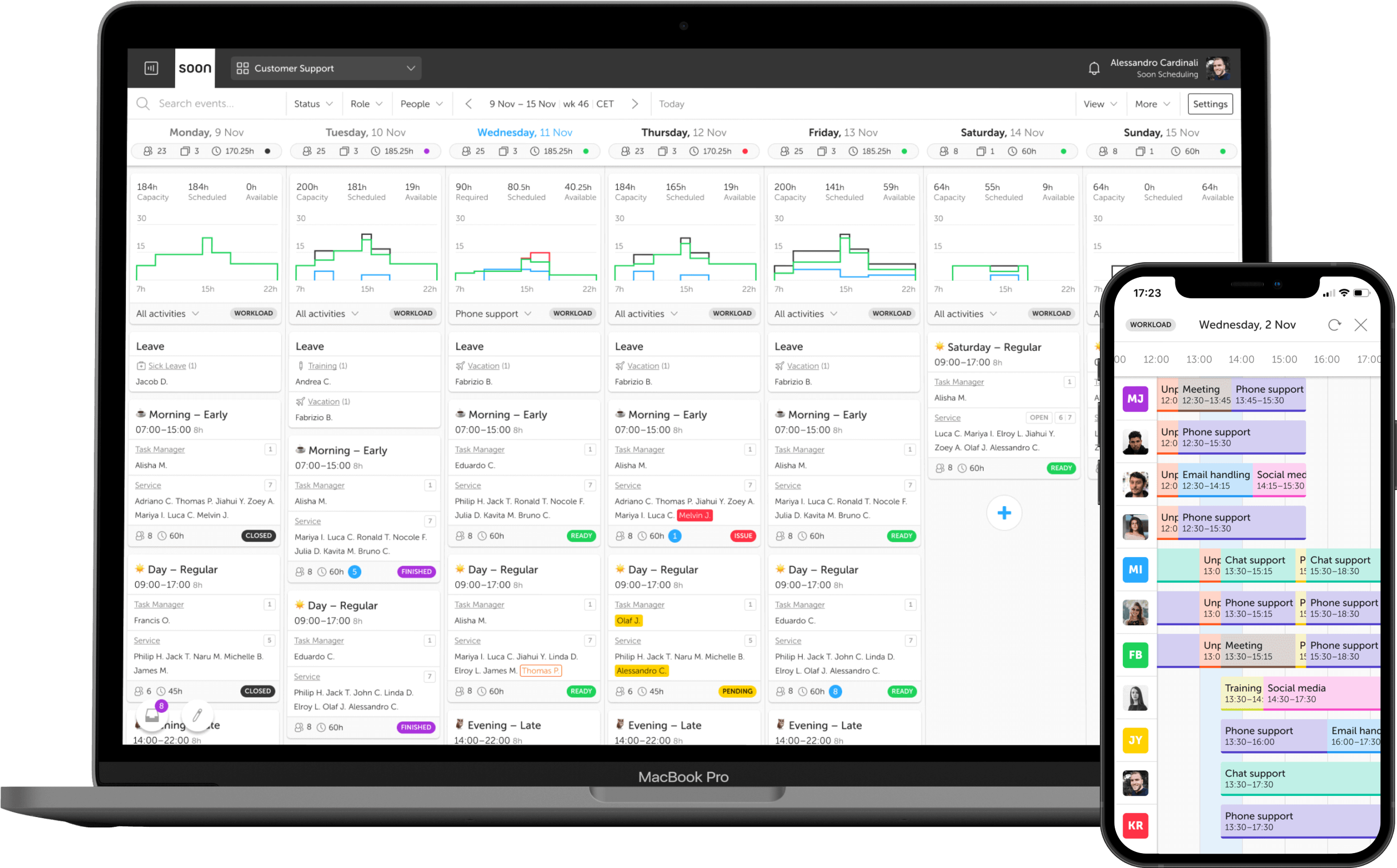
Soon acts like a control room for teams in Washington DC Metro, showing the current state of work and staffing at a glance.
- Activities and ownership
- Available capacity by person
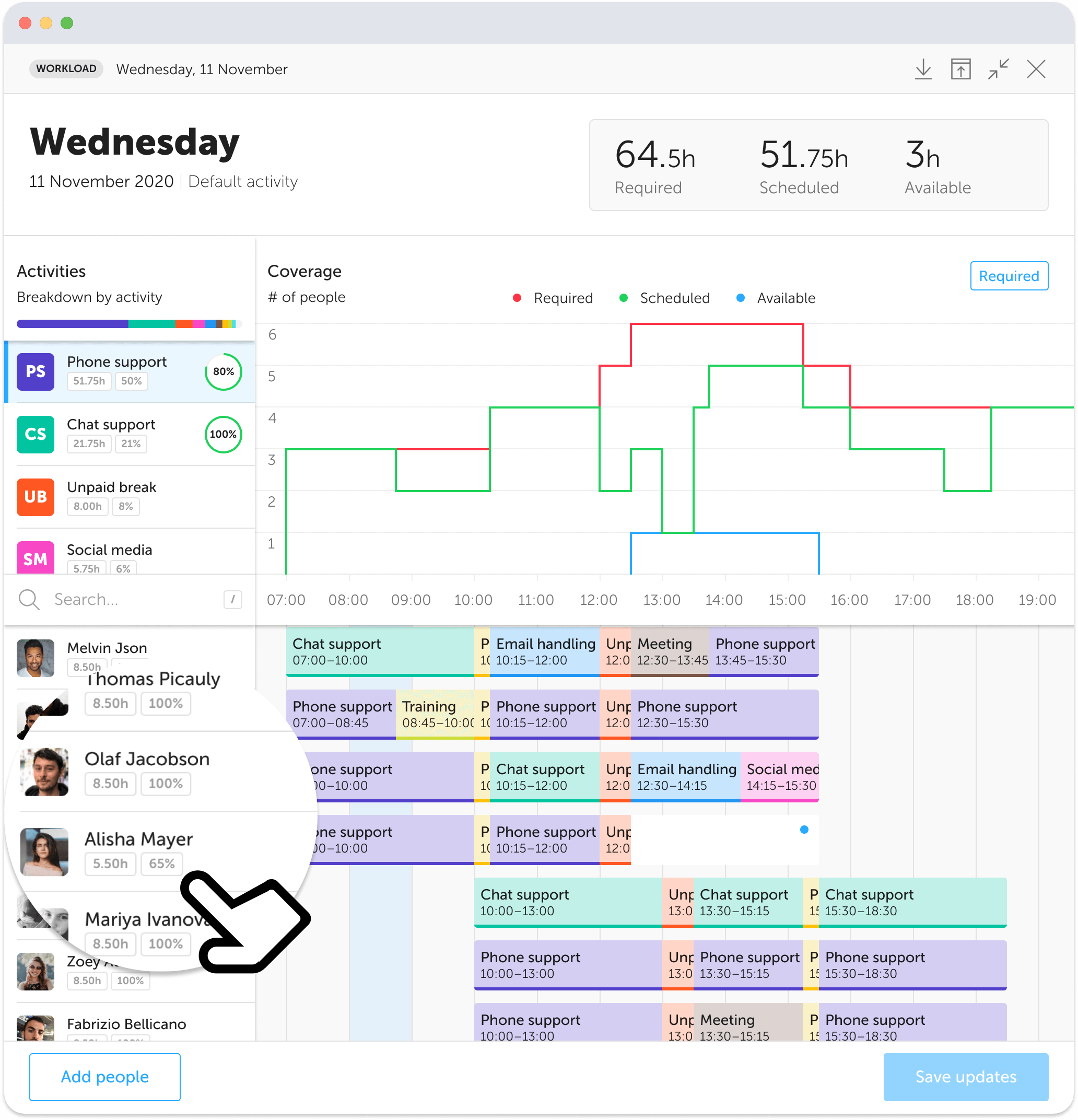
- Coverage health across the day
Simple to read. Easy to act on.
How shift scheduling software adapts when the day shifts
Operational reality in Washington DC Metro can shift by the hour. Soon keeps those shifts manageable.
- See what changed and where
- Respond with small targeted moves
- Keep the team aligned on latest decisions
Fast changes, clear ownership.
Designed for daily collaboration
Soon works best when everyone sees the same live picture of the day.
- Shared responsibility across the team
- Self-scheduling support where appropriate
- Clear expectations and cleaner handoffs
Managers keep control while teams stay engaged.
Balance workload before frustration builds
Soon helps teams in Washington DC Metro spread work more evenly during live operations.
- Spot overload patterns quickly
- Redirect effort where pressure is rising
- Keep productivity realistic across the team
Fairer days, steadier output.
Prepare for demand swings in real time
In Washington DC Metro, live demand can shift quickly. Soon keeps coverage decisions tied to reality.
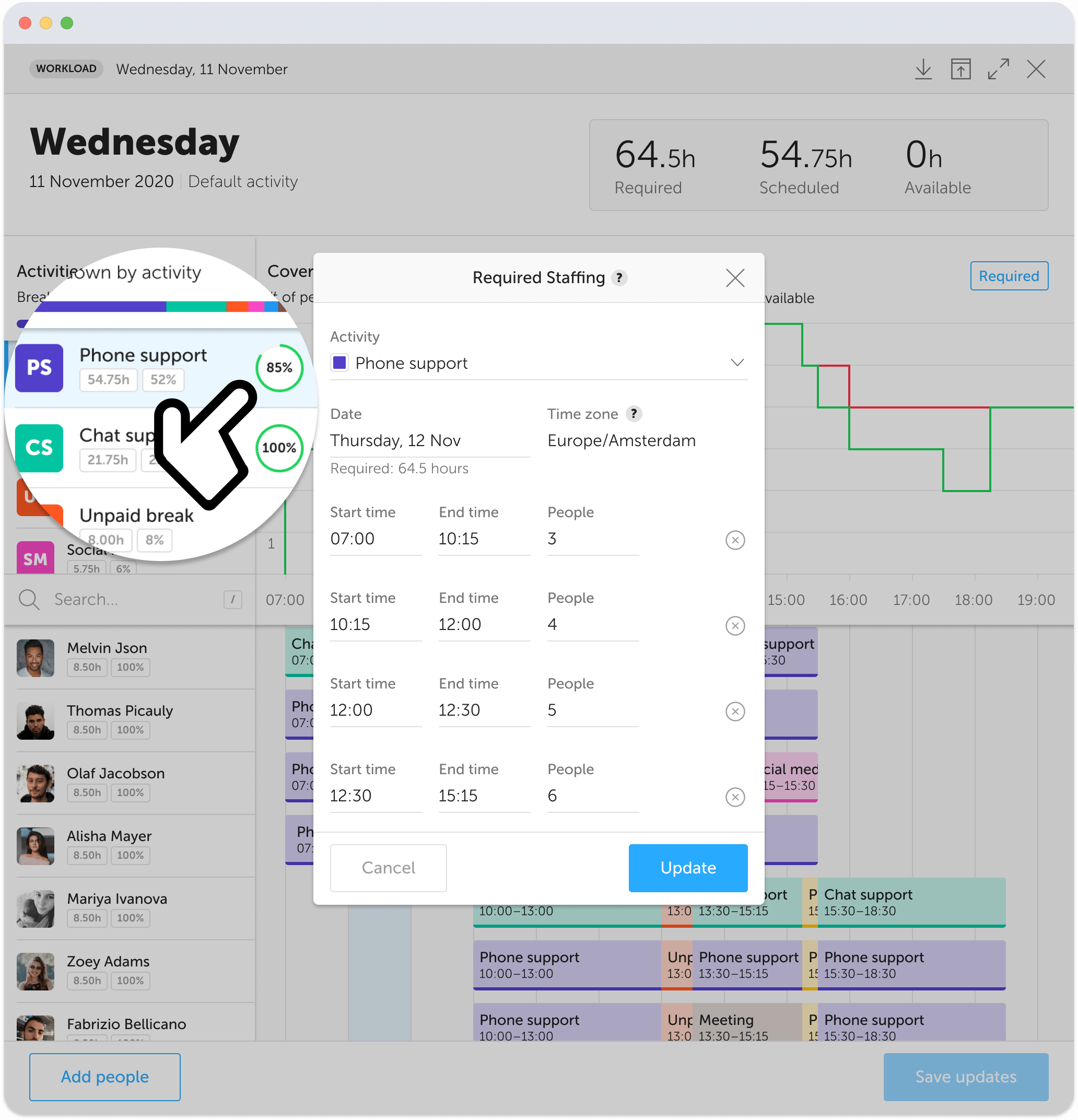
- Track current vs required staffing
- Handle spikes without overreacting
- Recover cleanly when pressure drops
More control at every pace.
Why shift scheduling software needs live intraday visibility
Planning is necessary, but live service in Washington DC Metro requires a current view of availability and coverage.
- What was planned
- What is actually happening now
- What needs to change next
Soon connects those three layers in one workflow.
Everything needed for intraday execution
Teams in Washington DC Metro get the tools to run live coverage without moving into heavy workforce-management systems.
- Clear task and staffing visibility
- Fast changes when conditions shift
- Data portability and integration options
Built for focus, not overhead.
More about shift scheduling software
Shift Scheduling Software for real-time team coverage
Soon provides shift scheduling software for utilities customer service offices teams in Washington DC Metro, DC.
Soon is an intraday scheduling tool designed for utilities customer service offices that need to manage coverage during the workday. Unlike shift scheduling software focused on days or weeks ahead, intraday scheduling supports live decisions as conditions change.
Teams use Soon to coordinate activities, breaks, and coverage in real time. That includes handling lunch overlap, unplanned absences, workload spikes, and service fluctuations without losing visibility.
Soon is often used alongside Microsoft Teams, Outlook, and shared calendars. Those tools help with planning and availability, while Soon adds live coverage and capacity awareness during operating hours.
For teams in Washington DC Metro, DC, this supports fixed business-hour operations that require dependable front-desk, phone, or live-request coverage throughout the day.
$99/month. That's it.
Try Soon with your team.
No credit card required. Setup in under 30 minutes.
Next step options